
Wezmart pushes digital, tax and AI transformation as SMEs brace for 2026
Kuala Lumpur, 14 November 2025 — Malaysia’s transition into a fully digitalised compliance environment accelerated this week as the Wezmart Tax Budget 2026 & Digital Conference convened more than 1,000 entrepreneurs, accountants and corporate leaders, underscoring an urgent message: SMEs must escalate their digital readiness or risk falling behind in a post–e-Invoicing economy.
The event, held amid rising regulatory expectations and tightening operational margins, highlighted a structural shift in how Malaysian businesses will be required to operate from 2026 onwards. Budget 2026 and the nationwide rollout of mandatory e-Invoicing were framed not merely as statutory obligations, but as catalysts reshaping corporate behaviour, financial reporting, and competitive strategy.
Industry leaders at the conference noted that digital tools—ranging from automation and advanced analytics to AI-driven decision engines—are no longer optional extensions but foundational capabilities. In the evolving compliance landscape, accurate, real-time data has become a prerequisite for operational efficiency, tax transparency and regional scalability.
A recurring message was clear: incremental upgrades are no longer sufficient. Market disruption is accelerating, and SMEs that fail to modernise risk being structurally disadvantaged. As firms navigate the post–e-Invoicing environment, digital competence—particularly in AI-supported reporting, audit readiness, market intelligence and brand positioning—is emerging as the new competitive currency.
Wezmart Group CEO Yee Chee Mun stressed the importance of decisive action.
“SMEs must start small, move fast and build the capability to adapt. Those who strengthen compliance through digital tools, reinvent their brands with AI and adopt a breakthrough mindset will not only survive 2026—they will lead it.”
Discussions also pointed to Malaysia’s rapid shift toward AI-enabled compliance frameworks, where intelligent automation is expected to reduce reporting risks, eliminate manual errors and support more strategic tax planning. Speakers emphasised that e-Invoicing should be viewed as a data asset rather than a burden, unlocking deeper insights into customer patterns, product performance and emerging regional opportunities.
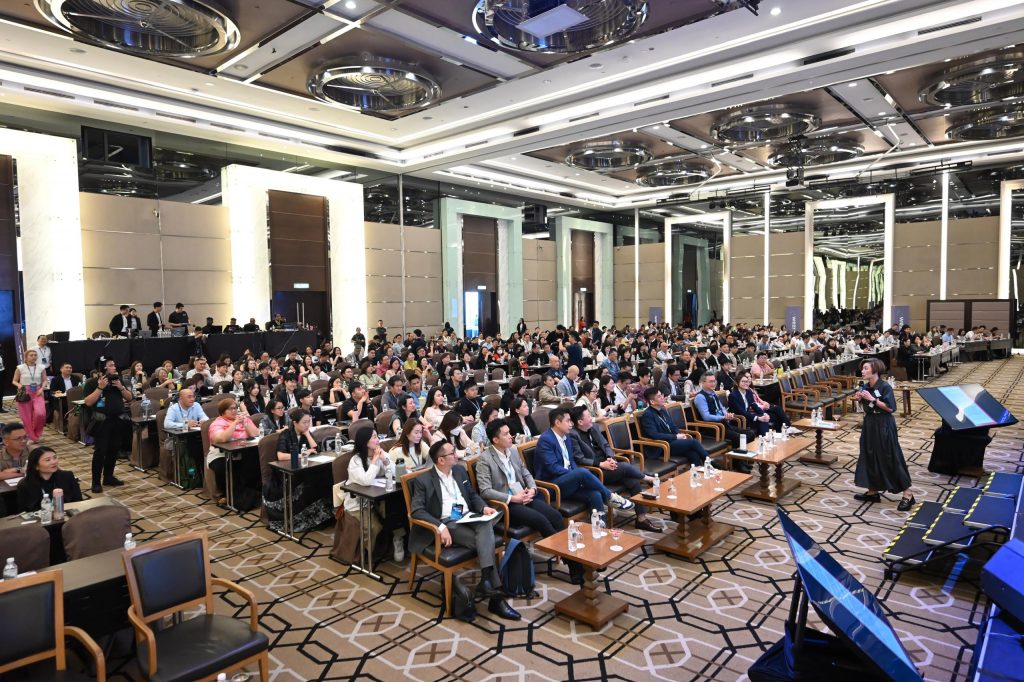
The conference showcased practical digital playbooks for SMEs, including AI-based brand optimisation, e-commerce acceleration models, and real-time reporting workflows designed to enhance visibility across operations. Participants were also briefed on ASEAN’s expanding market potential, with guidance on scalable expansion pathways and the rising influence of customer data in driving bestselling products and sustainable brand growth.
The event closed with a strong call to action: SMEs must embed compliance, AI adoption and regional strategy into their 2026 playbooks. Speakers urged businesses to begin with practical, manageable steps—digitising workflows, capturing clean data, and building iterative capabilities that turn compliance obligations into long-term strategic advantages.
As Malaysia steps firmly into the post e-Invoicing era, the message to SMEs was unequivocal: transform now, or risk being outpaced in a fast-moving, digital-first economy.